User-Centric Design: Making Every Click Count on Mobile
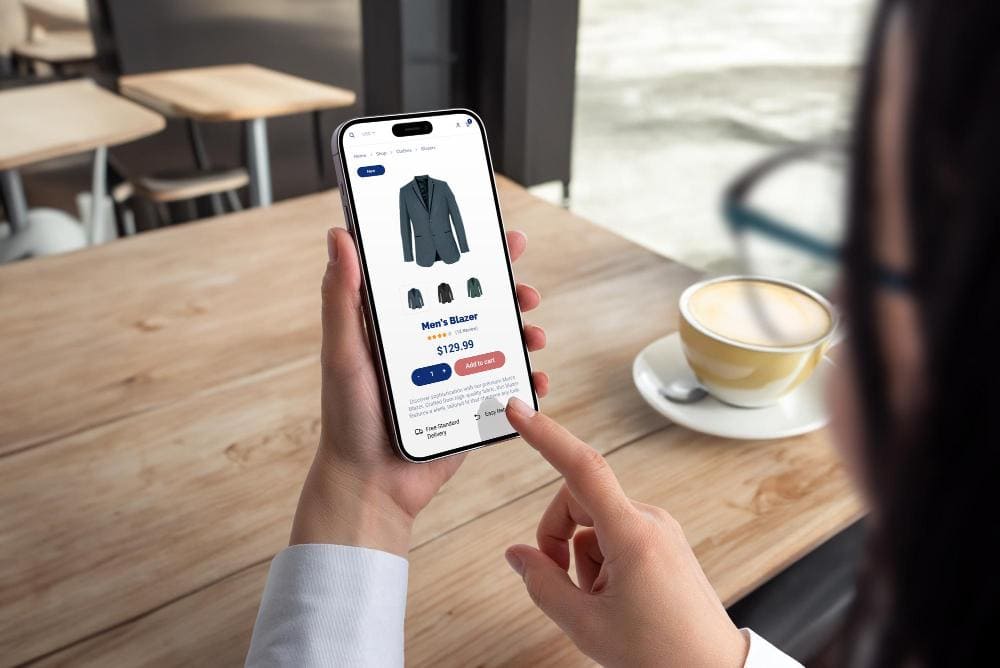
Mobile technology has profoundly reshaped digital interaction. Initially, design focused on porting desktop features, often neglecting unique mobile contexts. This led to clunky interfaces, prioritizing what technology could do over genuine user needs. Early mobile experiences were functional but rarely intuitive, causing user frustration.
A pivotal shift introduced User-Centric Design (UCD). This philosophy placed users at the core of development, moving beyond raw functionality. The key question became: "How can we make this experience intuitive and effortless?" True mobile success stems from deep understanding of user interaction, not just technical prowess.
Mobile UCD faced distinct challenges: limited screen space, diverse input methods, and varied user environments. Research highlighted the critical need for clear visual hierarchies and minimal cognitive load. Users, often multitasking, demanded swift task completion without frustration. Every design element became crucial for a seamless mobile interaction.
Understanding specific user behaviors became essential. Studies explored natural device interaction, thumb reach, and expectations for instant responsiveness. This insight moved beyond basic usability, focusing on deep user satisfaction, emotional connection, and sustained engagement. The goal: craft experiences that feel natural and indispensable.
Key Observations from Mobile User Research 📱
- Mobile users prioritize speed and efficiency; delays or unnecessary steps increase abandonment due to their often transient contexts.
- Minimizing cognitive load is paramount. Simpler interfaces with concise information lead to higher task completion and greater user satisfaction.
- Physical interaction ease is critical. Generous touch targets and consistent gesture patterns prevent errors and reduce user frustration.
Analyzing the Mobile User Experience Landscape
Mobile users demand speed and efficiency. Delays or complex paths instantly break user flow, causing frustration. For WeTheNorthOnionLinks, rapid response and streamlined flows are crucial for maintaining user presence and building trust. Every interaction must feel immediate and purposeful.
Minimizing cognitive load is paramount. Users shouldn't struggle to understand an interface. This requires clear visual cues, intuitive iconography, and progressive disclosure—showing information only when relevant. Overwhelming options create mental friction, risking errors. A clean design helps users focus.
Physical interaction, primarily touch, needs careful design. Touch targets must be large and spaced adequately for varying finger sizes, preventing accidental selections. Consistent gesture patterns build familiarity, reducing learning curves. Inconsistent interactions frustrate users, making devices feel unresponsive.
Beyond function, mobile UCD's emotional dimension is vital. A great experience evokes satisfaction and delight. Thoughtful micro-interactions and subtle animations transform mundane tasks into enjoyable moments. This emotional connection fosters loyalty and repeat engagement, turning casual users into advocates.
Effective UCD is an iterative process. The mobile landscape constantly evolves. Continuous testing—A/B tests, usability studies, user interviews—is vital for identifying pain points and validating choices. Acting on user feedback ensures the experience remains relevant and delightful. This commitment is key.
Ultimately, a robust user-centric approach offers a significant strategic advantage. By deeply understanding mobile user needs, companies create standout applications. This leads to higher user satisfaction, increased engagement, and stronger retention. For WeTheNorthOnionLinks, superior mobile UCD fosters a loyal user base.
Future Directions & Key Applications 🚀
- Enhanced User Satisfaction: Implementing UCD leads to intuitive mobile experiences, boosting user contentment and sustained engagement across platforms.
- Reduced Support Needs: By anticipating user pain points and designing for clarity, UCD minimizes confusion, leading to fewer support inquiries and smoother journeys.
- Foundation for Innovation: A solid, user-approved design base allows WeTheNorthOnionLinks to innovate confidently, introducing new features that genuinely resonate with user expectations.
Every click on a mobile device is a step in a user's journey. Our design ensures each step is purposeful and pleasant.